

Event Planning
Chinese Wedding Tea Ceremony and Reception: Where the Bar Fits Into a Traditional Program
13 October 2026 · 1045 words
Chinese Wedding Tea Ceremony and Reception: Where the Bar Fits Into a Traditional Program
A Western wedding reception and a Singapore Chinese wedding follow genuinely different programs, and that difference changes how a bar team plans the day. Where a Western reception is often built around a dancefloor and an evening of open bar, a Chinese wedding typically centres on the tea ceremony — a tradition with its own timing, its own location logistics, and its own quiet expectations around respect. Getting the bar right for one of these events means understanding how it actually fits into that structure, not assuming it runs the same way a Western reception does.
Two Traditions, Two Different Centrepieces
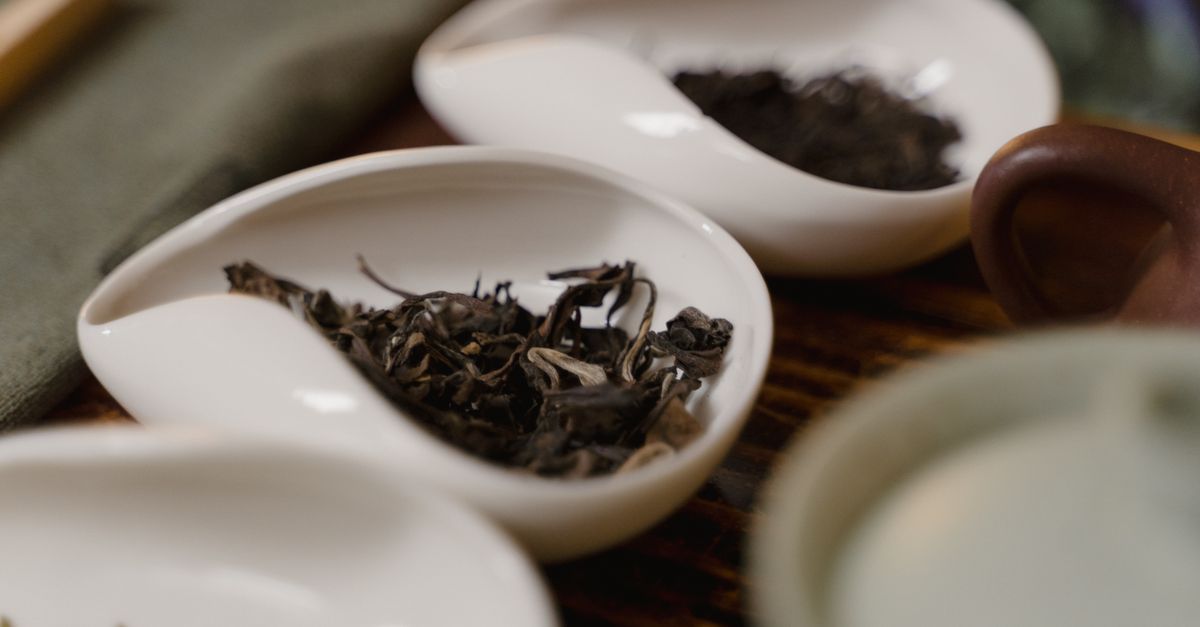
The clearest way to see the difference is to compare what each culture builds its program around. Western wedding receptions tend to be structured toward the evening's dancefloor — dinner, speeches, first dance, and then an open bar carrying guests through the rest of the night. Asian wedding culture, and Chinese weddings in Singapore specifically, more often centre on the tea ceremony, where the couple formally serves tea to their parents and elders as a mark of respect and gratitude.
Neither structure is "better" than the other — they're simply built around different traditions, and a bar team working across both needs to plan around whichever one the couple is actually having.
Where the Tea Ceremony Happens, and Why Location Matters
The tea ceremony is often held at a different location from the banquet itself — sometimes at a family home, sometimes at a separate venue entirely, before everyone moves on to where the reception dinner is held. This detail matters directly for bar planning, because it changes when and where the bar team should actually be ready.
Timing the Bar Around the Ceremony
The best timing for bartenders to arrive and set up is during the solemnisation or tea ceremony itself, particularly when it's taking place at a different location from the banquet. Setting up during that window means that once the ceremony wraps up and the couple's esteemed guests make their way to the banquet venue, the bar is already fully ready. Guests can start having drinks immediately while waiting for the banquet doors to open, rather than standing around with nothing to do during that gap, or watching the bar team still assembling the setup after they've already arrived.
This small piece of sequencing — ceremony first, bar ready and waiting — is what turns a potentially awkward in-between period into a smooth, welcoming start to the reception.
What This Looks Like From the Couple's Side
For couples planning a traditional program, this means the bar team isn't simply told "the reception starts at 7pm" — they need to understand the full shape of the day, including where the tea ceremony or solemnisation is happening, roughly how long it runs, and how much of a gap exists before guests arrive at the banquet venue. Sharing this detail early lets the bar team plan arrival and setup around the ceremony itself, rather than working backward from the banquet start time alone, which can leave the bar unready for that first wave of arriving guests.
Respecting the Ceremony Itself
While this is less about bar operations and more about overall event culture, it's worth noting for context: Asian wedding traditions like the tea ceremony carry real weight and formality for the families involved. A bar team working around one of these events should understand that the ceremony itself takes priority, and that setup activity, however quiet, has no place happening anywhere near where the ceremony is actively taking place.
Why Understanding This Distinction Matters
A bar provider who only knows how to plan around a Western-style reception can genuinely struggle with a Chinese wedding's structure — not because the drinks or service are any different, but because the timing logic is completely different. Arriving on a standard "reception start time" schedule, with no awareness of a separate ceremony location or the gap it creates, risks a bar that's still being set up exactly when guests are arriving and ready for a drink.
Understanding both structures — where the dancefloor anchors a Western reception, and where the tea ceremony anchors a Chinese wedding — is part of what it takes to run a bar properly across Singapore's genuinely mixed wedding culture, rather than defaulting to one template for every couple.
Planning Across Singapore's Mixed Wedding Traditions
Many Singapore weddings today blend both traditions in a single day — a morning tea ceremony followed by an evening banquet with a Western-style reception format, first dance included. For a bar team, this is really the best of both planning approaches: arrive and set up quietly during the tea ceremony segment, then shift into standard reception-pace service once the evening program begins. Couples don't need to choose one tradition over the other for the bar to work smoothly; they just need to walk the bar team through whatever their actual program looks like, blended or not.
Frequently Asked Questions
Does the bar serve drinks during the tea ceremony itself?
No. The ceremony takes priority, and setup is done quietly and separately so it doesn't draw attention away from that moment. Service begins once guests move to the banquet.
What if the tea ceremony and banquet are at the same venue?
The same principle still applies — the bar team sets up during the ceremony so it's ready the moment guests are free to head to the bar, rather than starting to build the setup afterward.
Should couples tell the bar team about the tea ceremony timing in advance?
Yes. Sharing the ceremony location, rough timing, and the gap before the banquet starts lets the bar team plan arrival and setup properly around it.
Does a Chinese wedding reception need a different cocktail menu from a Western one?
Not necessarily for the drinks themselves — the bigger difference is in timing and program structure, not the menu. The same signature cocktail approach used for any wedding still applies.
Planning a traditional Chinese wedding and want the bar timed around your full program? Get in touch and share your ceremony and banquet schedule, and we'll plan setup and service around it.