

Event Planning
How Engaging a Bartender Can Help Your Networking Event
26 September 2026 · 1115 words
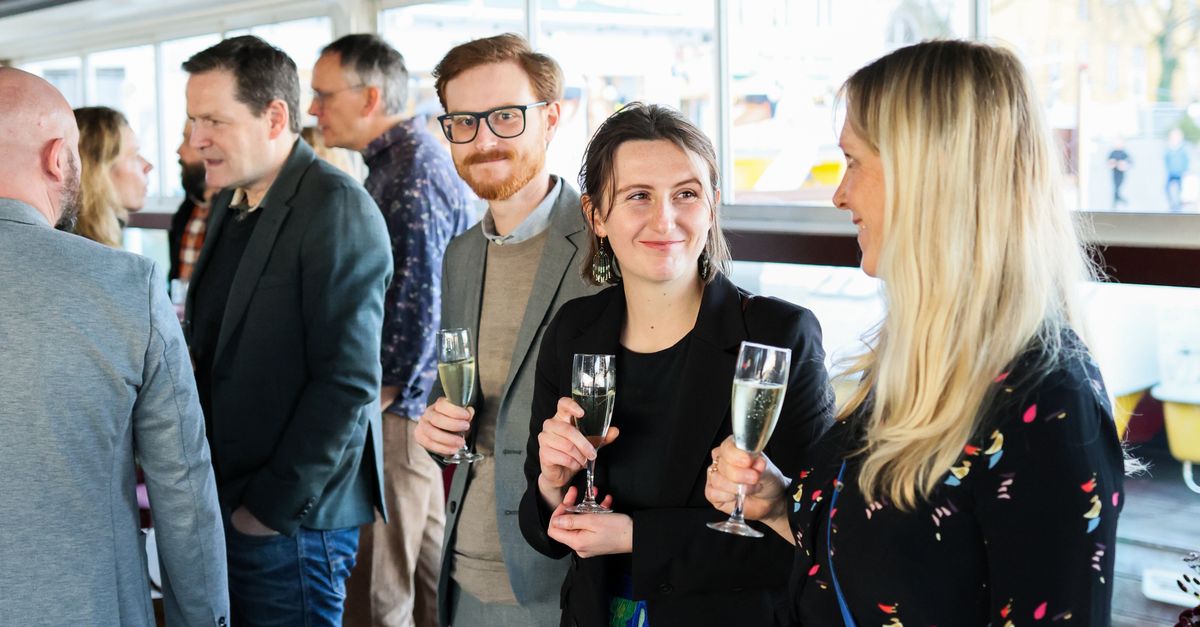
How Engaging a Bartender Can Help Your Networking Event
Networking events have a reputation problem — stiff small talk, people clutching name tags, everyone quietly hoping someone else breaks the ice first. Good cocktail service can genuinely change that dynamic, and not just because guests have something to hold in their hand. Here's how a bartender actually helps a networking event succeed, beyond simply pouring drinks.
1. Drinks Act as a Social Catalyst
A drink gives guests a built-in reason to approach someone they otherwise wouldn't. Offering to get someone else a drink, followed by a quick introduction, is one of the oldest and most reliable icebreakers there is — it's low-stakes, it's natural, and it doesn't require either person to have a polished opening line ready.
Once that first exchange happens, the conversation has room to breathe. Talking about a favourite spirit, sharing an experience with a particular cocktail, or asking the bartender for a recommendation all give guests something easy to discuss before business talk even enters the conversation. Saving the "so what do you do?" question for a little later — after some genuine, low-pressure conversation — tends to produce warmer, more memorable introductions than diving straight into pitches and titles.
This matters more than it sounds. A conversation that opens with a drink recommendation feels like two people talking; a conversation that opens with a job title and a pitch feels like two people networking. The first version is almost always the one that turns into an actual follow-up after the event.
2. Moderate Alcohol Can Be Liquid Courage
A little bit of a buzz, kept well short of excessive, can genuinely help people loosen up enough to introduce themselves to someone they'd otherwise avoid. People tend to bond more easily when they're mildly relaxed together — shared laughter comes more easily, guards drop slightly, and conversations move past surface-level small talk faster than they would completely sober.
The key word here is moderate. Drinking challenges, shots, or anything that pushes guests toward excessive consumption should be avoided entirely — not just for obvious health and liability reasons, but because people acting out of character rarely leaves a good impression at a professional event. A well-paced cocktail service supports comfortable mingling; it doesn't push anyone past the point where they're still recognisably themselves.
This is also where a professional bartender earns their keep beyond mixing drinks — reading the room, pacing pours sensibly, and knowing when a guest has had enough for the evening to stay comfortable rather than turn into a story people tell for the wrong reasons.
3. Hanging Out With the Bartender
For guests who are simply too nervous to walk up to a potential contact cold, the bar itself can be a surprisingly useful social base. Making yourself known to the bartender gives you a friendly face to return to between conversations, and a good bartender who's read the room can often help bridge an introduction — pointing out who's who, or giving a guest a natural opening to join a conversation already happening nearby.
To be fair, this works best with a bar team guests already have some familiarity with — it's naturally a little harder on the very first event together, since trust and rapport take a moment to build. But we're human too, and once we get to know a client's regular crowd, we're genuinely able to vibe with guests and help break the ice when it's needed. After all, bartenders are kings at the bar — it's one of the few spots at any event where almost everyone eventually ends up.
Over multiple events with the same company or organiser, this effect compounds. A bartender who already recognises returning guests can make quiet introductions far more naturally than a stranger could, simply because familiarity on one side of the bar tends to put people at ease on the other.
Why This Matters More at Networking Events Specifically
Unlike a wedding or a birthday, where guests often already know each other, a networking event is frequently a room full of strangers with a shared professional interest and not much else in common on the surface. That makes the social friction higher, and the tools available to lower it — a drink in hand, a shared moment at the bar, a friendly bartender who can make an introduction — matter proportionally more.
A bar that's simply self-serve or purely functional misses all of this. It's the presence of an actual person behind the bar, reading the room and facilitating small moments of connection, that turns a room of strangers into a room of people who've actually talked to each other by the end of the night.
What a Well-Run Bar Adds That a Self-Serve Table Can't
A self-serve drinks table technically does the same basic job — guests get a drink. But it strips out everything that actually helps a networking event succeed: the natural pause for conversation while a drink is made, the bartender who can nudge two guests toward each other, and the simple presence of one more friendly, unaffiliated person in the room guests can approach without any agenda. None of that shows up on a spec sheet, but all of it shows up in how the room actually feels by the end of the night.
Bringing This Into Your Next Event
None of this requires an elaborate setup — just thoughtful cocktail service, a bar positioned somewhere central enough that guests naturally gravitate toward it, and a team that understands their role extends slightly beyond pouring drinks. Done well, the bar becomes one of the most effective, lowest-effort networking tools at the entire event.
Frequently Asked Questions
Should a networking event bar always serve alcohol?
Not necessarily — a well-designed mocktail menu can create the same social catalyst effect for guests who don't drink, since the ritual of ordering and holding a drink matters as much as the alcohol itself.
How central should the bar be positioned at a networking event?
As central as the venue allows. A bar tucked in a corner gets used briefly and left; a bar positioned where foot traffic naturally flows becomes the room's social hub for the whole event.
Does bar placement actually affect how much guests mingle?
Yes — guests tend to cluster near wherever the bar is set up, so its location effectively shapes where and how conversations happen throughout the room.
Planning a networking event and want the bar to actually help guests connect? Get in touch, and let's build a cocktail service that does more than just serve drinks.